Between 2026 and 2028, the Iberian Peninsula will offer an exceptional opportunity to look to the skies: two total solar eclipses and one annular eclipse. On this page, you can follow the countdown to each event, explore the general visibility areas and access interactive resources to help you plan your observations.
Get ready to experience one of the most remarkable astronomical cycles of the coming decades!
TOTAL SOLAR ECLIPSE 2026
August 12th 2026
--
days to go
--hours
--min
--sec
Duration of totality: around 2 minutes along the centre line of the eclipse path.
Viewing conditions: around sunset, with the Sun very low above the western horizon.
TOTAL SOLAR ECLIPSE 2027
August 2nd 2027
--
days to go
--hours
--min
--sec
Duration of totality: between 4 and 6 minutes, making it one of the longest total eclipses visible from Spain in decades.
Viewing conditions: in the late morning, close to midday.
ANNULAR ECLIPSE 2028
January 26th 2028
--
days to go
--hours
--min
--sec
Duration of annularity: around 5 minutes along the centre line of the eclipse path.
Viewing conditions: in the afternoon, before sunset.
WHERE WILL THE ECLIPSES BE VISIBLE?
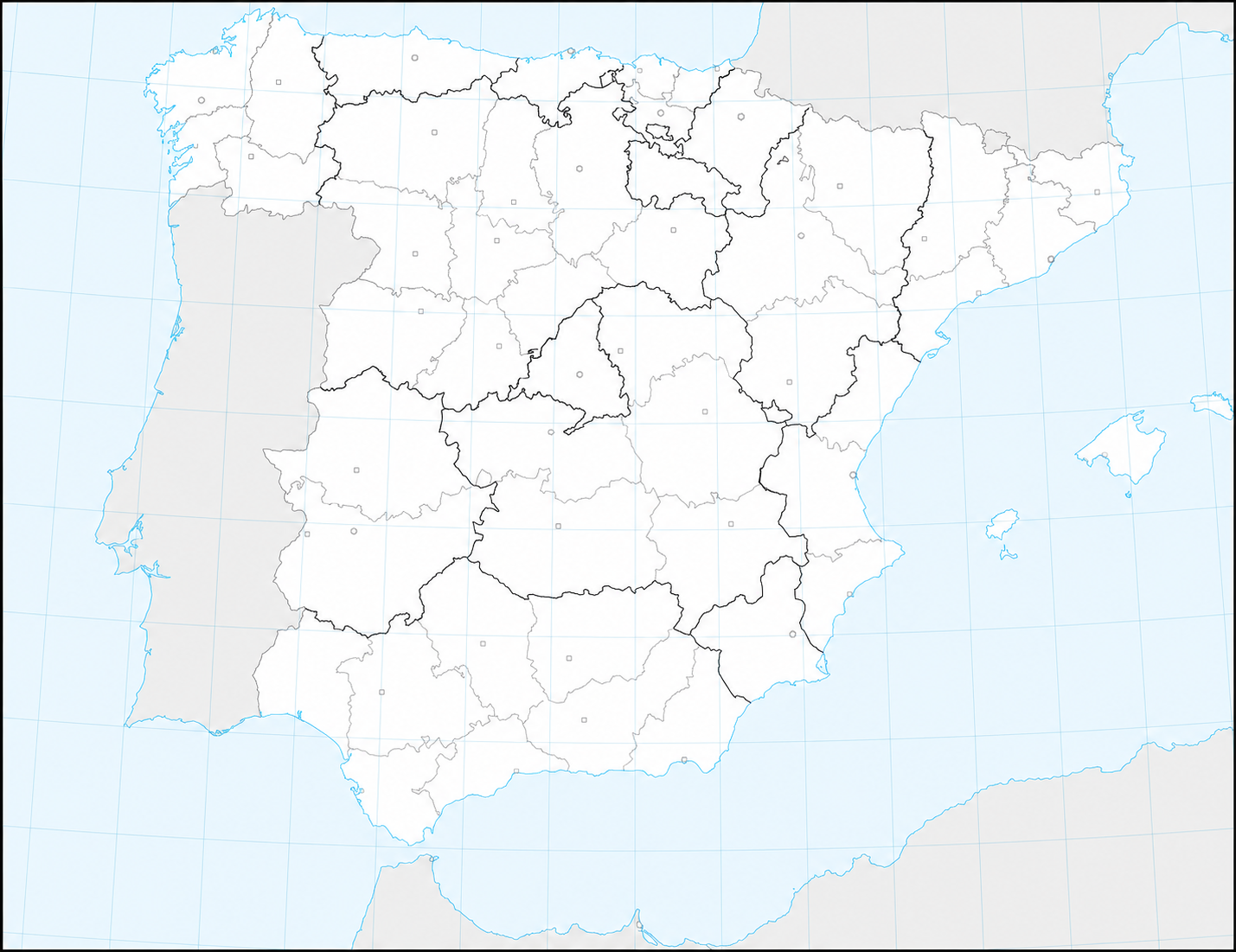
2026 The path of totality will cross northern Spain from west to east. Choose a location with a clear view of the western horizon.
2027 The path of totality will cross the southernmost part of mainland Spain, Ceuta, Melilla and nearby areas of North Africa.
2028 The annular eclipse will be visible along a path running from south-west to north-east across the peninsula, where the characteristic “ring of fire” can be seen.
Selected: 2026 total solar eclipse.
Image source: Instituto Geográfico Nacional (IGN), the official portal for solar eclipses visible from Spain.
WHAT CAN WE SEE DURING THESE ECLIPSES?
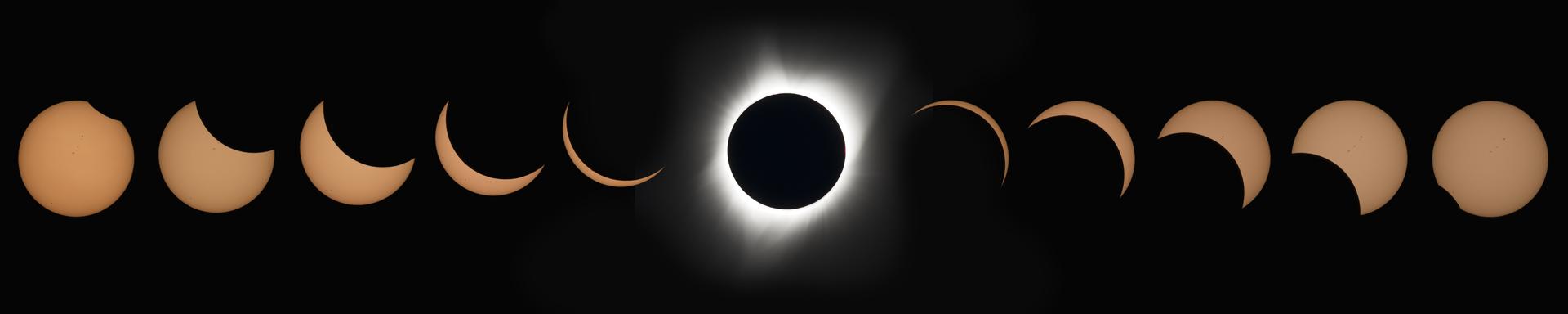
An eclipse offers a series of fleeting sights that make each observation a rare experience: flashes, halos and light effects that appear only when the Moon passes between Earth and the Sun.
Eye protection required
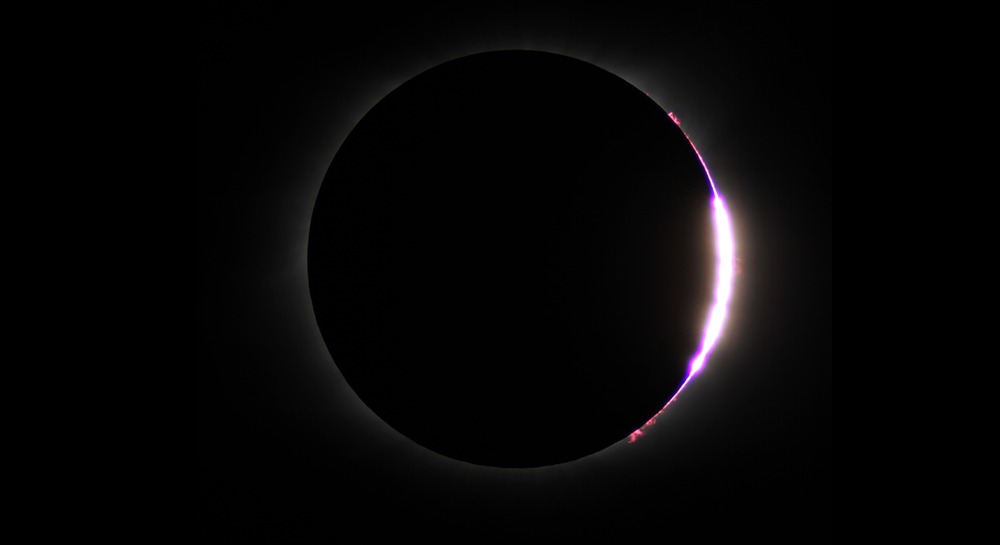
Just before totality
Diamond ring
A brilliant flash around the edge of the Moon may remain visible for a moment just before totality. It is one of the most recognisable and frequently photographed sights of a total eclipse.
Image credits: NASA and ESA.
EXPLORE YOUR VIEWING LOCATION
Use these tools to explore the eclipse paths, local visibility, the Sun's position and viewing conditions, and plan your eclipse experience in greater detail.




 IGN Eclipse Viewer ↗
 Eclipse Fan ↗
 The Eclipse App ↗
 X. Jubier Map ↗