Studying the Sun means observing it from many different perspectives: its surface, its atmosphere, the solar wind and the ways in which its activity affects Earth’s space environment. Over the past few decades, numerous space missions have helped to deepen our understanding of our star and its influence across the Solar System.
An overview of solar missions
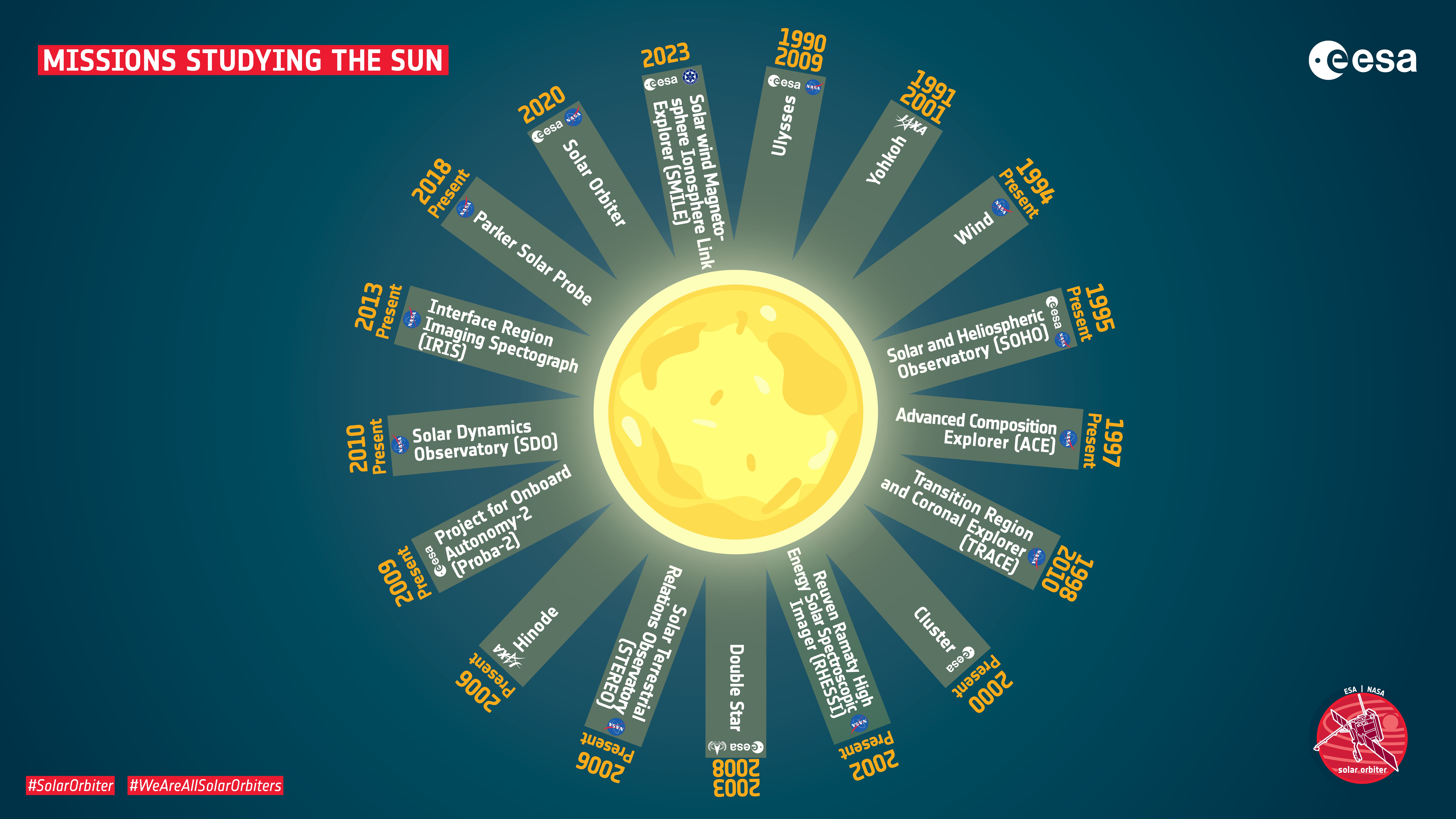
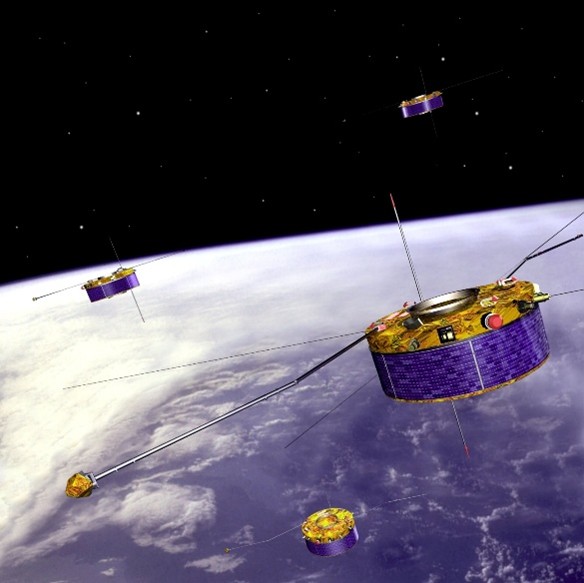
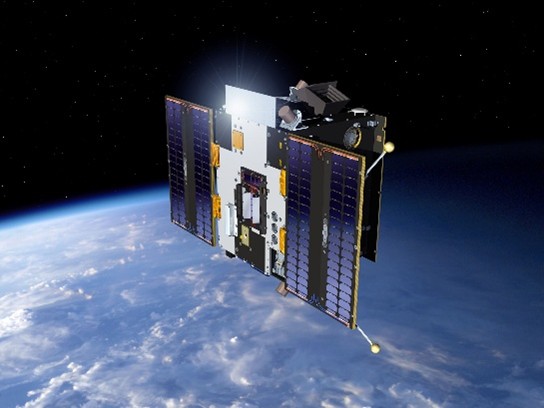
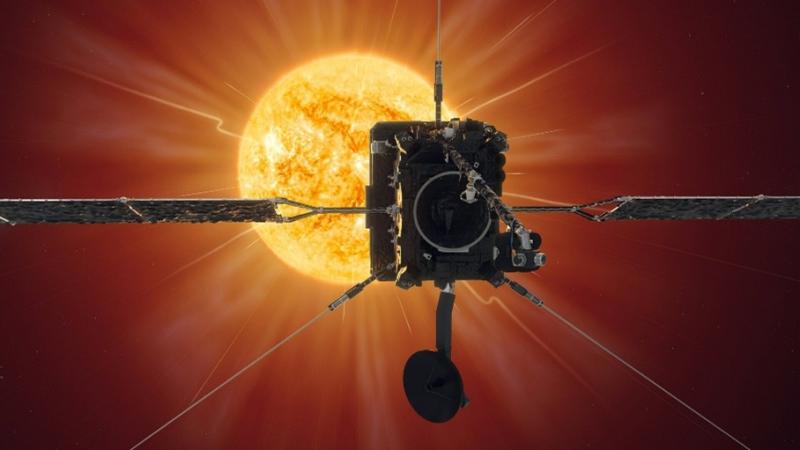
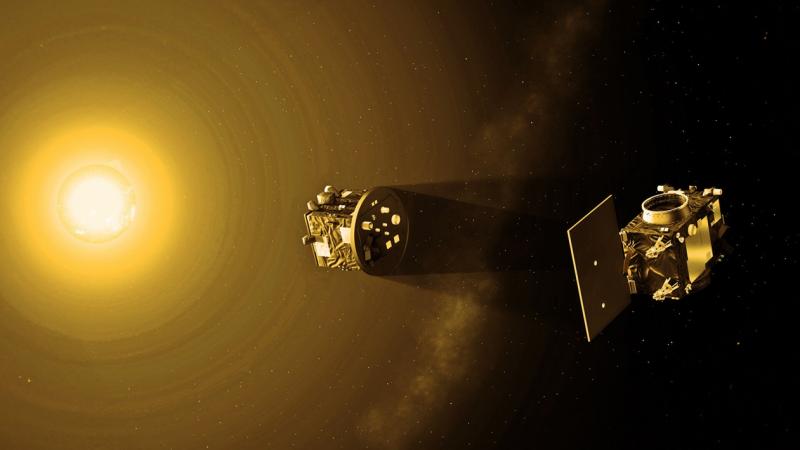
This image brings together several missions that have studied the Sun, led by ESA and other space agencies, showing how each one offers a different perspective on our star.
How do we study the Sun?
Sara García Alonso, an ESA reserve astronaut, takes us on a journey through some of the European missions observing our star, from SOHO and Solar Orbiter to Proba-3.
More than three decades of studying the Sun
Each mission adds a different piece to the solar puzzle: some study the solar wind, others observe the corona, while others investigate how the Sun’s activity affects Earth. Together, they build a more complete picture of our star and its influence on the space environment.
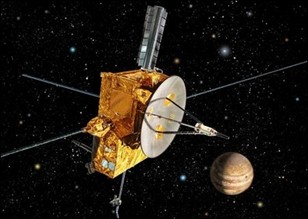
Ulysses
1990–2009
An ESA–NASA collaboration.
The first mission to explore the Sun’s polar regions.
Objective: to study the solar wind around the Sun.
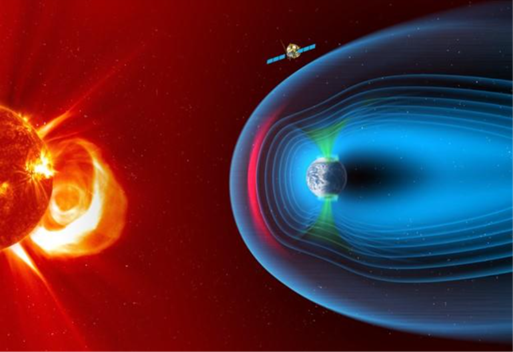
The exploration of the Sun and its effects on Earth continues. In May 2026, the SMILE mission was launched as a collaborative project between ESA and the Chinese Academy of Sciences (CAS).
This mission will study the interaction between the Sun and Earth, focusing on how the solar wind meets the magnetosphere, our planet’s magnetic shield.