(Printable version, go to full version)
Index:
¿Qué son los eclipses?
Hitos sobre misiones del Sol
Misiones de la ESA que estudian el Sol
Luces y sombras. Un eclipse en 3D (una estrella)
Actividades Una Estrella Original
Actividades Dos Estrellas Órbitas
Actividades Tres Estrellas Órbitas
Actividades Miniestrellas
Actividades Cinco Estrellas Órbitas
Actividades Cuatro Estrellas Órbitas
Actividades Una Estrella Órbitas
Actividades Dos Estrellas Original
Actividades Tres Estrellas Original
Actividades Cuatro Estrellas Original
Actividades Cinco Estrellas Original
Actividades Miniestrellas Órbitas
Actividades Miniestrellas Alternativa
Trío de Eclipses Solares
Tipos de Eclipses de Sol
Conoce al Sol
Cómo observar un eclipse de Sol de forma segura
Cómo observar de forma segura
Observación Segura
Gafas Eclipse
Gafas Eclipse_2
Gafas Eclipse_3
Gafas Eclipse_JS
Gafas Eclipse_Bloque1
Gafas Eclipse_Bloque2
Gafas Eclipse_Bloque3
Gafas Eclipse_Completo
Cómo observar el Sol de forma segura
Observar el Sol de forma segura
Prueba_Gafas
Prueba_Gafas2
Observar un eclipse de Sol de forma segura
Cómo estudiamos el Sol
Prueba Estudiar el Sol
Prueba 3
Prueba 7
Prueba 8
Prueba 9
Prueba 10
Prueba 11
Cómo estudiamos nuestro Sol
Prueba 12
¿Cómo estudiamos el Sol?
Formas de estudiar el Sol
Proooooof
Seguridad
Cómo se estudia el Sol
Cómo observar un eclipse solar de forma segura
Prueba de migración
Prueba de migración 2
Cómo estudiar el Sol
Cómo observar un eclipse de forma segura
Luces y sombras. Un eclipse en 3D. Una estrella
Luces y Sombras 3D
Actividades Cuatro estrellas
Actividades Cinco Estrellas
Actividades Una Estrella
Actividades Dos Estrellas
Actividades Tres Estrellas
Observando el Sol con el telescopio solar de CESAR II
Construyendo un espectrógrafo casero II
Observando el Sol con el telescopio solar de CESAR I
Construyendo un espectrógrafo casero I
Construcción de una cámara oscura II
Construcción de una cámara oscura I
¿Cuántos tipos de eclipses solares hay?
Flipbook científico del eclipse
Construcción de un simulador de eclipses
An interactive way to explore the Sun and eclipses
Discover the solar eclipses we will be able to observe from the Iberian Peninsula, understand more about our star and find ideas for continuing learning at any age.
Three eclipses. Three years. An exceptional opportunity
Three consecutive solar eclipses will make the Iberian Peninsula a prime location for observing this phenomenon.
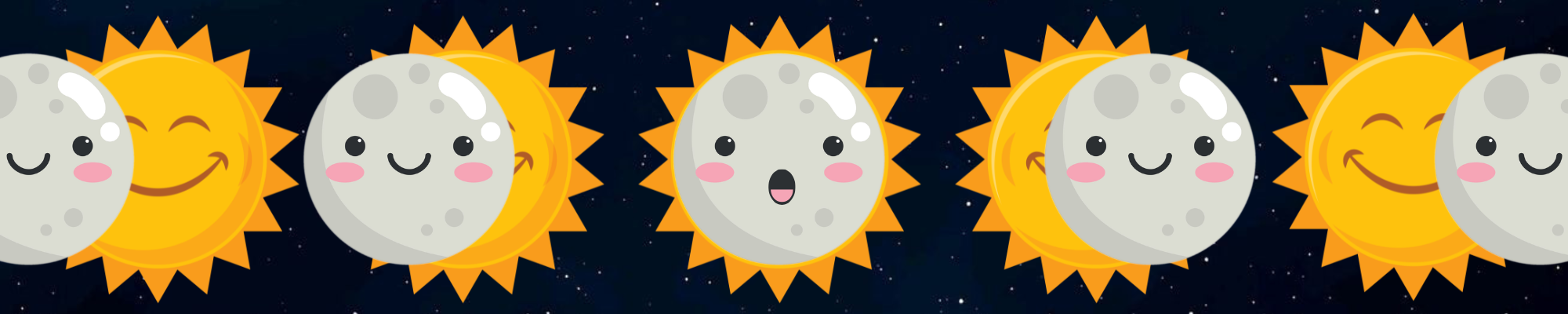
2026 · 2027 · 2028
Find put when each eclipse will occur, where it will be visible and what makes observing it from the Iberian Peninsula so special.
Discover the trio of eclipses →Learn about eclipses and the Sun
Explore the essential concepts for understanding eclipses, learning more about our star and discovering how to observe and study it.
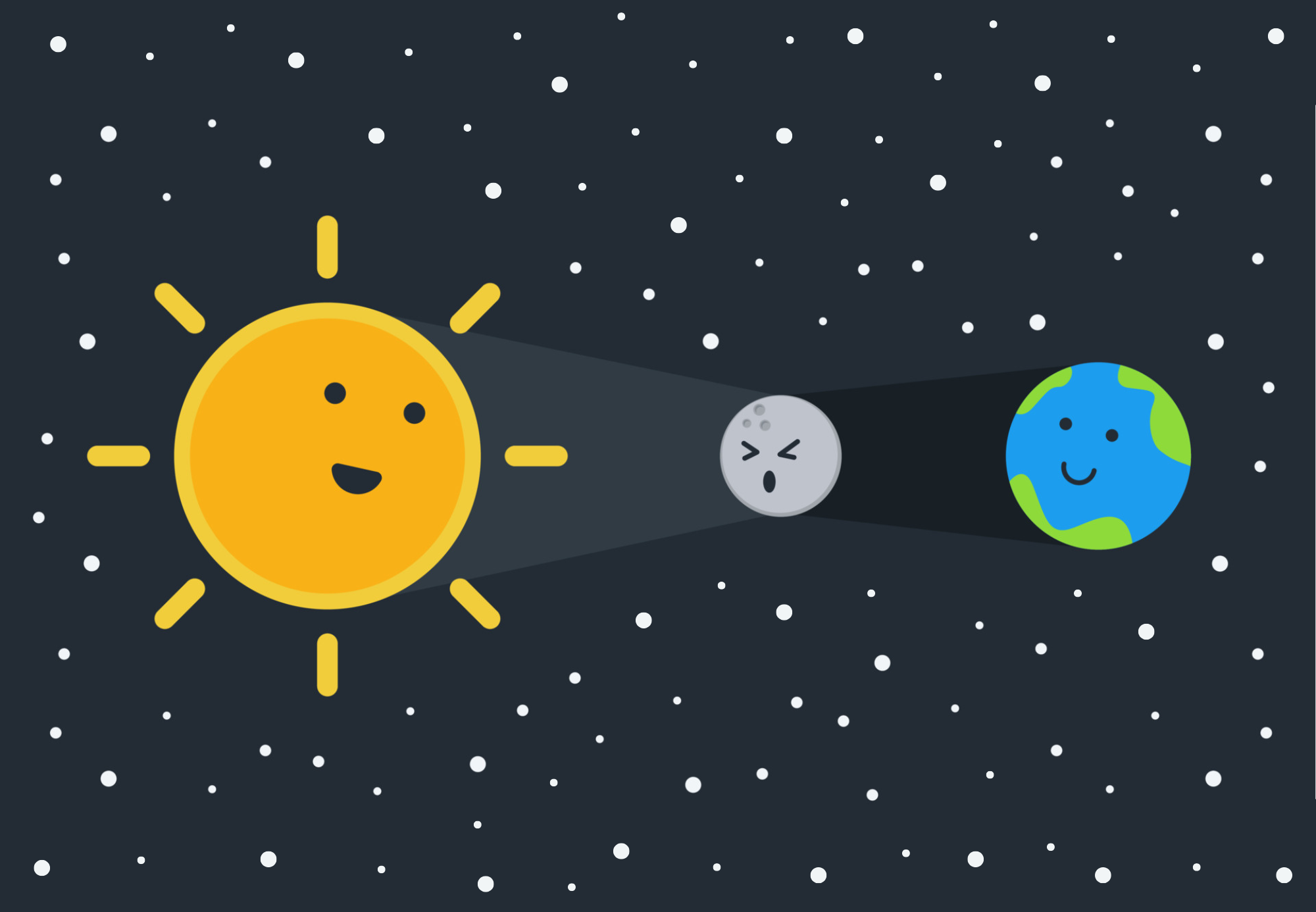
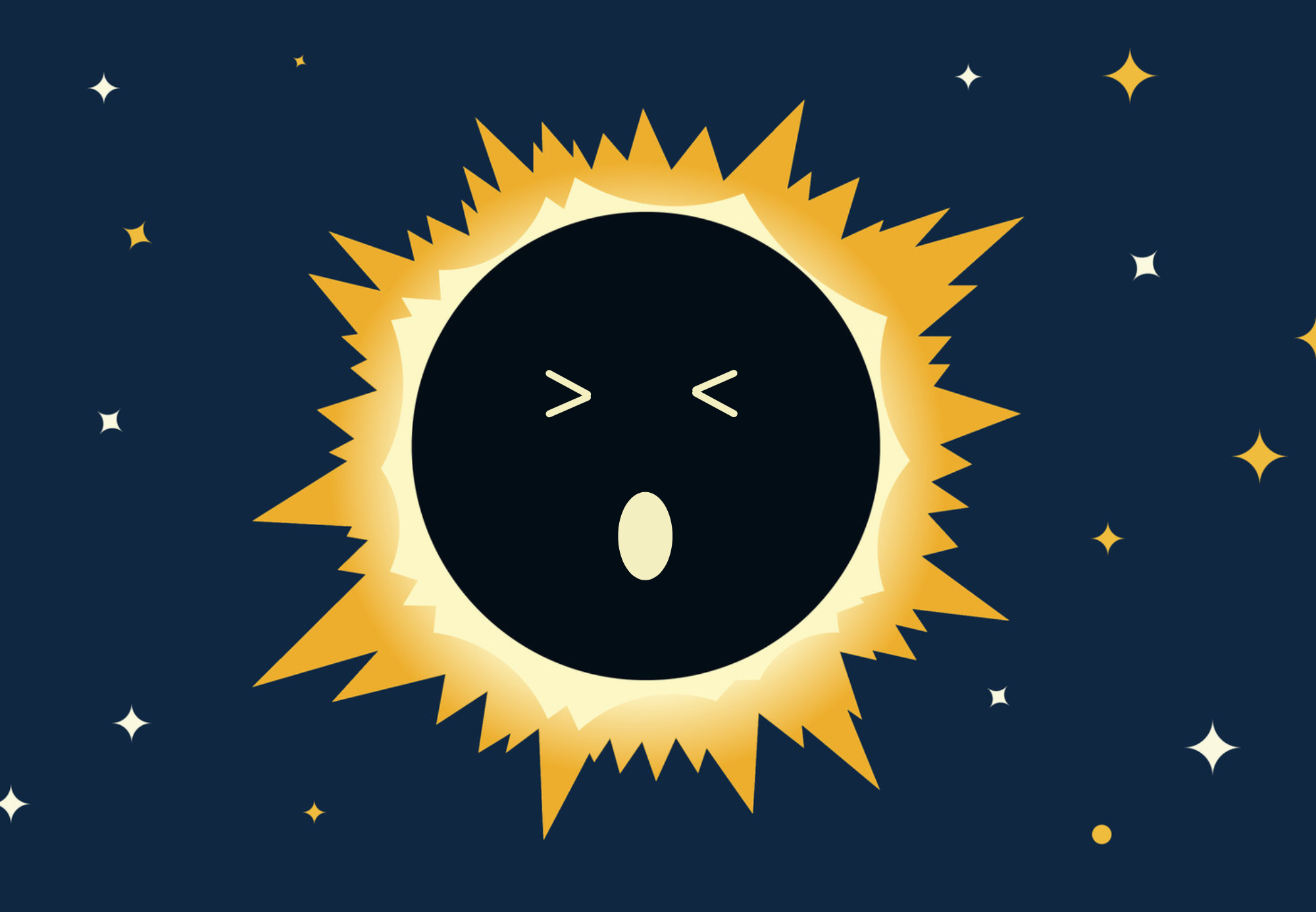
Types of solar eclipses
Learn the differences between total, annular and partial eclipses.
Explore →
Meet the Sun
Discover the characteristics of our star and its importance in the Solar System.
Explore →
How to observe a solar eclipse safely
Learn the essential recommendations for observing the Sun safely.
Explore →
How we study the Sun
Explore some of the techniques and instruments used to investigate our star.
Explore →
Would you like to explore the activities?
The educational eclipse kit includes activities to help you continue exploring these topics at different ages. You can access it directly in your browser or download it for free to use at home, in the classroom, or in other educational settings.
View and download the kit →